
Order Ozempic Online and Compare Today’s Best Prices
The Cost of Semaglutide: Navigating Ozempic Prices
Staring at a pharmacy receipt for Ozempic can feel like a punch to the gut. For many patients, the sticker shock is a cold shower that brings the dream of weight management crashing down to earth. It isn’t just a simple pill you pick up at the corner store; it is a specialized biological tool that carries a heavy price tag.
The monthly cost often fluctuates like a roller coaster depending on your specific insurance coverage. Without a solid plan, you might find yourself paying upwards of $900 or even $1,000 every single month. It is a steep hill to climb when you are already trying to manage a complex metabolic condition.
Insurance companies act as the gatekeepers of your wallet in this scenario. Some might treat the medication as a luxury, while others view it as a necessity for managing Type 2 diabetes. Navigating these bureaucratic mazes requires a thick skin and a very patient heart.
Breaking Down the Price Tag
When we peel back the layers of pricing, several factors come into play. The manufacturer sets the baseline, but your specific situation dictates the final number you see at the register. It is a complex puzzle where many pieces are missing for the average consumer.
The actual cost can vary wildly based on your deductible and your out-of-pocket maximums. If you haven’t met your yearly threshold, prepare to pay the full retail price. It’s a bitter pill to swallow, quite literally, before your insurance kicks in to help.
Consider the following breakdown of typical price structures encountered in the current market:
- Retail Price: This is the “sticker price” before any discounts or insurance involvement.
- Copay: Your shared cost, which can range from a small fee to several hundred $.
- Manufacturer Coupons: These can sometimes shave a significant chunk off the total cost.
- Pharmacy Cash Price: The amount you pay if you are walking in without any coverage.
I remember a patient, let’s call her Sarah, who felt like she was throwing money into a black hole. She was paying nearly $1,200 a month until she realized her plan had a specific tier for GLP-1 medications. A single phone call changed her entire financial landscape.
Below is a generalized comparison of how costs might look for different users:
| Scenario | Estimated Monthly Cost | Impact on Budget |
| Fully Covered | $25 – $50 | Minimal disruption |
| Partial Coverage | $200 – $500 | Significant monthly expense |
| No Insurance | $900 – $1,200 | Heavy financial burden |
Strategies for Managing Expenses
If you find yourself staring down a massive bill, don’t throw in the towel just yet. There are several levers you can pull to try and lower the financial pressure. It takes some detective work, but the effort often pays off in the long run.
First, always ask your doctor to check for “Prior Authorization” requirements. Many insurers will refuse to pay a dime unless your physician proves the medication is medically essential. It is a bit of a paper trail, but it is your best line of defense.
Secondly, keep a close eye on manufacturer assistance programs. Some companies offer savings cards that can bring the cost down to a much more manageable level for those who qualify. It’s like finding a hidden treasure map in the middle of a desert.
Lastly, consider using a pharmacy that offers transparent, low-cost pricing models. Some specialty pharmacies have much lower overhead and can offer rates that traditional retail chains simply cannot match. It is always worth shopping around to find the best deal.
Dosage Schedules and Administration Protocols
Taking this medication is not a “one size fits all” endeavor. It is more like learning to play a new instrument; you have to start slowly to find your rhythm. Jumping into the deep end without a life jacket can lead to some very unpleasant gastrointestinal surprises that leave you feeling quite unwell.
The process is designed to let your body get used to the medication. Doctors typically suggest starting with a low dose to minimize side effects like nausea or stomach upset. Think of it as a slow acclimation period, allowing your digestive system to adjust to the new chemical signals being sent to your brain.
Consistency is the name of the game here. Missing a dose or taking it at wildly different times each week can throw your metabolic progress off track. It is vital to establish a routine that sticks, whether that is Sunday mornings with coffee or Tuesday nights before bed. Stability is your best friend.
Most people find that a weekly schedule works best for their lifestyle. This means you only have to think about the injection once every seven days. It is a small commitment that yields significant benefits if you remain diligent about the timing and the technique used during the administration process.
The Escalation Process
You won’t start at the top of the mountain. The titration schedule is a step-by-step climb designed to ensure your body doesn’t revolt. Most clinicians begin patients on a 0.25 mg dose for the first four weeks. This initial phase is often more about acclimation than it is about seeing dramatic weight loss.
Once your body has settled into the baseline, your doctor might increase the dose to 0.5 mg. This is where the real work begins. If you feel fine, the next step is often a jump to 1.0 mg. It is a gradual ascent, and if you feel like you are hitting a wall, your physician might pause the increase.
Some patients find that a specific dose works perfectly for them, even if it isn’t the highest available. There is no “finish line” where you must reach a certain milligram level to be successful. The goal is finding the “sweet spot” where your blood sugar and appetite are managed effectively.
Keep a diary of how you feel during each transition. If the nausea feels like a tidal wave, tell your doctor immediately. They might suggest staying at your current dose for an extra month or two. It is a marathon, not a sprint, so there is no need to rush the process.
Administration Methods and Supplies
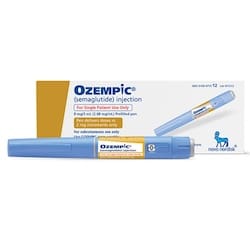
The physical act of administration is simpler than most people imagine. It involves a small, pre-filled pen that looks somewhat like a heavy-duty highlighter. You don’t need to be a nurse to do this; the technology is designed for ease of use by people living at home.
You will inject the medication subcutaneously, which is a fancy way of saying into the fatty tissue just under the skin. Common sites include the abdomen, the thigh, or the back of the upper arm. Rotating these sites is crucial to prevent skin irritation or small lumps from forming under the surface.
When you’re ready to inject, you simply unscrew the cap, press the pen against your skin, and click the button. It is a quick, almost painless moment. Many users report that the psychological hurdle of “the needle” is much larger than the actual physical sensation of the injection itself.
Always ensure you are using a fresh, sterile needle for every single dose. Reusing needles is a recipe for disaster and can lead to infections or skin issues. It is a small cost of doing business that keeps your safety a top priority throughout your entire treatment journey.
The following table outlines the common dosage increments and the typical monthly supply costs associated with them:
| Dosage Level | Typical Frequency | Estimated Monthly Cost |
| 0.25 mg (Starting) | Once Weekly | $950 |
| 0.5 mg (Intermediate) | Once Weekly | $950 |
| 1.0 mg (Maintenance) | Once Weekly | $950 |
| 2.0 mg (Maximum) | Once Weekly | $950 |
Sourcing Your Prescription: Online vs. In-Person
The Traditional Clinic Experience
Walking into a doctor’s office feels like the safest bet, doesn’t it? There is a certain comfort in sitting across from a professional who can look you in the eye while discussing your health. This face-to-face interaction allows for a nuanced conversation about your medical history and any potential side effects you might encounter.
In a physical clinic, the process is often a straight line. You schedule an appointment, undergo an evaluation, and receive a formal prescription. This ensures that every step of your journey is overseen by a licensed practitioner who can monitor your progress closely. It is the gold standard for those who prefer high-touch medical care.
However, this route can sometimes feel like a slow crawl through thick mud. Waiting weeks for an appointment or dealing with long lines at a local pharmacy can be a headache. If you are ready to start your metabolic journey, the logistical hurdles of traditional healthcare can occasionally feel like a major roadblock.
Many patients find that the peace of mind provided by an in-person visit outweighs the inconvenience of the wait. Having a physical paper trail and a direct line to a provider who knows your name can make all the difference when navigating the complexities of weight management medications.
The Rise of Digital Healthcare
The digital revolution has changed the landscape of medicine entirely. Online telehealth platforms have become a popular way to secure prescriptions without leaving your living room. You can chat with a provider via video or text, making the process feel much more streamlined and modern for the busy professional.
These virtual options often offer much faster turnaround times than traditional clinics. You can often complete your consultation and have your prescription sent to a pharmacy within a single afternoon. It is a “click of a button” solution that fits perfectly into a hectic, modern lifestyle where time is money.
That being said, you must tread carefully when browsing the digital wild west. Not all online platforms are created equal, and some can be nothing more than expensive middlemen. You must ensure the platform connects you with actual, licensed medical professionals rather than just selling unregulated supplements under a different name.
Always look for transparency regarding how your data is handled and how the medication is sourced. A reputable online provider should be as clear about their medical vetting process as they are about their pricing. If something feels too good to be true, it usually is a red flag.
Navigating the Logistics and Costs
When comparing your options, cost is often the elephant in the room. Traditional pharmacies might require you to navigate a labyrinth of insurance claims and prior authorizations. This can turn a simple prescription into a bureaucratic nightmare that takes weeks to resolve with your insurance provider.
Online services often offer a more predictable pricing structure, sometimes bundling the consultation and the medication into one flat fee. This can be a breath of fresh air for those who prefer to know exactly what they will be paying upfront. It removes the guesswork from your monthly budget.
Consider these primary differences when deciding which path is right for your specific lifestyle and financial situation:
- Convenience: Online platforms offer flexibility, while in-person visits offer physical accessibility.
- Cost Structure: Clinics may have varying co-pays; online services often use fixed-fee models.
- Relationship: In-person visits foster a long-term doctor-patient bond; online services are often transactional.
- Speed: Digital options are typically much faster for getting your first shipment.
Ultimately, the choice depends on whether you value the personal touch of a local doctor or the lightning-fast efficiency of a smartphone app. Both paths can lead to the same successful outcome, provided you stay diligent about the quality and legitimacy of your source.
| Sourcing Method | Primary Benefit | Primary Drawback |
| Local Physician | Personalized care | Longer wait times |
| Telehealth App | High convenience | Limited physical exams |
| Direct-to-Consumer | Transparent pricing | Variable service quality |
Shipping Logistics and Cold Chain Requirements
Imagine receiving a package on your doorstep that feels like a ticking time bomb. For many, that isn’t a literal bomb, but a delicate vial of Ozempic. Because this medication is a peptide, it is incredibly sensitive to temperature shifts. If it sits in a hot delivery truck for too long, the medicine can lose its potency entirely.
Maintaining the “cold chain” is the backbone of pharmaceutical logistics. This isn’t just a buzzword; it is a strict, unbroken sequence of temperature-controlled environments. From the manufacturer’s warehouse to your front porch, the medication must stay within a specific refrigerated range. If that chain breaks, you might be paying for expensive, ineffective water.
I once spoke with a patient who received their shipment in the middle of a Texas summer. The box felt warm to the touch, almost like a baked potato. They were understandably terrified. This highlights why verifying the shipping protocols of your provider is absolutely critical before you hit that “buy” button.
When you are paying upwards of $900 to $1,200 for a supply, you cannot afford to gamble on mediocre shipping. You need to know that your provider uses specialized insulated packaging and, ideally, phase-change materials or gel packs to maintain that crucial chill during transit.
The Science of Temperature Control
The biology of the drug is its Achilles’ heel. Semaglutide is a protein-based molecule, and proteins are notoriously fickle. Think of it like an egg; if you leave it in the sun, it changes. Once the molecular structure of the peptide is compromised by heat, there is no way to “fix” it later.
Most experts recommend storing the medication in a refrigerator, ideally between 36°F and 46°F. While the pens are designed to withstand some room-temperature exposure during the actual injection process, they should never be left in a hot car or near a window. It is a fine line between stability and degradation.
If you find yourself traveling, you must be prepared to pack your medication like a pro. You cannot simply toss it in your carry-on and hope for the best. Many travelers use small, dedicated medical coolers to ensure the medication survives the long haul through airport security and bumpy flights.
Always keep an eye on the liquid inside the pen. It should be clear and colorless. If you notice the liquid has become cloudy or has changed color, it is a major red flag. In such cases, the integrity of the cold chain has likely been compromised, and the medication should be discarded immediately.
Managing Your Shipment at Home
Once the delivery driver leaves, your responsibility begins. You shouldn’t leave a package sitting on a porch for hours, especially if the weather is sweltering. If you won’t be home, consider using a “package hold” service or a neighbor’s house to ensure the box moves into a cool environment quickly.
When the box arrives, check the integrity of the insulation immediately. Most high-end providers will include a specialized thermal liner. If the gel packs are completely melted and the interior of the box feels warm, do not hesitate to contact the provider. You are entitled to a replacement if the cold chain failed.
Keep a log of when you receive your shipments and how they were stored. While it may seem a bit overboard, this level of diligence is your best defense. If you experience unexpected side effects or find the medication isn’t working, having a record of your storage conditions is vital for your doctor.
Here is a quick checklist for when your package arrives:
- Inspect the exterior: Look for any signs of tampering or damage to the box.
- Check the temperature: Feel the cooling elements to ensure they are still cold.
- Verify the contents: Ensure the correct pens and needles are included in the kit.
- Inspect the liquid: Confirm the medication is clear and free of particles.
Managing these logistics can feel like a second job, but it is the price of entry for using advanced peptide therapies. Being proactive is much better than being disappointed by a wasted investment. Stay vigilant, stay cool, and always prioritize the integrity of your medicine.
Ozempic vs. Wegovy vs. Mounjaro: The Market Comparison
Navigating the current pharmaceutical landscape feels like trying to find a needle in a haystack of brand names. You might walk into a pharmacy and ask for “the weight loss shot,” only to be met with a blank stare or a confusing list of options. The market is crowded, and the distinctions are subtle yet incredibly significant for your wallet and your health.
It is easy to get caught in the hype of social media trends where everyone seems to be using the same “magic” injection. However, knowing the difference between a drug meant for Type 2 diabetes and one specifically FDA-approved for chronic weight management is vital. You wouldn’t buy a sedan when you actually need a heavy-duty truck, right?
Price is often the elephant in the room. Whether you are dealing with insurance hurdles or paying out of pocket, the costs can fluctuate wildly depending on your provider and the specific formulation. Understanding the “why” behind the price tag helps you make a decision that won’t leave your bank account feeling the sting.
The Semaglutide Battleground
Ozempic and Wegovy are like siblings born to the same parent. They both utilize the exact same active ingredient: semaglutide. They are both GLP-1 receptor agonists that mimic a hormone your body naturally produces to signal fullness. However, their “labels” are quite different in the eyes of the FDA and your insurance company.
Ozempic is the veteran player, originally marketed and approved specifically for the management of Type 2 diabetes. Wegovy, on the other hand, is the specialized cousin. It uses the same molecule but is specifically FDA-approved for chronic weight management in patients with obesity or related comorbidities. This distinction is the crux of many insurance battles.
When you look at the cost, things get murky. While the chemical structure is identical, the pricing models can vary. Some patients find that insurance will cover Ozempic for diabetes but draw a hard line at Wegovy for weight loss. It is a frustrating game of medical semantics that can leave many patients stuck in limbo.
If you are comparing the two, keep these key differences in mind:
- Ozempic: Primarily indicated for Type 2 Diabetes; often easier for some insurance plans to approve.
- Wegovy: Specifically indicated for chronic weight management; often requires a different clinical justification.
- Dosing: Both utilize a weekly injection, but Wegovy is often titrated differently for maximum weight loss efficacy.
The Dual-Action Challenger
Then there is Mounjaro, which has entered the ring like a heavyweight boxer with a secret weapon. Unlike the semaglutide duo, Mounjaro utilizes a “dual agonist” approach. It doesn’t just target one hormone; it mimics two: GLP-1 and GIP. This “twincretin” effect is designed to be even more potent in regulating blood sugar and hunger.
Think of semaglutide as a single-lane highway, while Mounjaro is a multi-lane superhighway. By hitting two different receptors, it aims to provide a more comprehensive metabolic response. This has made it a massive sensation in the medical community, as it seems to offer a more aggressive path for those struggling to see results with traditional methods.
However, this extra power comes with its own set of variables. Because it targets two different pathways, the side effect profile can sometimes feel a bit more intense for certain users. It is not a “one size fits all” situation; what works wonders for one person might be a bit too much for another’s digestive system.
Here is how the heavy hitters stack up against one another:
| Medication | Active Ingredient | Primary Use | Mechanism |
| Ozempic | Semaglutide | Type 2 Diabetes | GLP-1 |
| Wegovy | Semaglutide | Weight Management | GLP-1 |
| Mounjaro | Tirzepatide | Type 2 Diabetes | GLP-1 + GIP |
Navigating the Cost of Entry
Let’s talk turkey. The financial commitment for these medications is not trivial. Depending on where you live and your insurance coverage, you could be looking at a significant monthly expense. It’s not uncommon for a single month’s supply to sit anywhere between $800 and $1,300 if you are paying the full retail price out of pocket.
I once helped a client navigate the maze of “prior authorizations.” It felt like trying to solve a Rubik’s Cube in the dark. Insurance companies often demand mountains of paperwork to prove that you’ve tried other, cheaper methods before they will agree to cover a high-cost GLP-1 medication. It can be a long, exhausting slog.
If you are paying cash, the price is often more predictable but still heavy. Always ask your provider for a “good faith estimate” before committing to a long-term plan. You want to ensure that the “solution” to your health goals doesn’t create a whole new set of financial stressors that keep you up at night.
Maximizing Value and Managing Monthly Expenses
Navigating the financial landscape of modern weight management feels like trying to walk through a thick fog without a flashlight. You know where you want to go, but the costs keep shifting under your feet. For many, the sticker shock of a prescription can be just as daunting as the physical journey itself.
It is a bitter pill to swallow when you realize that your health goals might come with a heavy price tag. Many patients find themselves playing a high-stakes game of musical chairs with their insurance providers, hoping their coverage stays intact as they transition through different dosage levels or brand names.
I’ve sat with people who felt completely blindsided by the sudden jump in copays. They thought they had a handle on their budget, only to find that a single month of treatment could cost them a significant chunk of their savings. Staying ahead of these costs requires a proactive, almost detective-like approach to your medical bills.
Strategic Insurance Navigation
Don’t just accept a “no” from your insurance company without a fight. Often, a denial is just a request for more paperwork. The dreaded “Prior Authorization” is a gatekeeper that stands between you and your medication, requiring your doctor to prove that your clinical needs outweigh the cost.
Sometimes, the key to unlocking coverage lies in the specific way a diagnosis is coded. A physician might focus solely on weight, but if there are underlying metabolic issues like Type 2 Diabetes, the insurance company might suddenly find their checkbook a bit more open. It is a delicate dance of medical documentation.
I remember a patient who spent three months fighting for coverage. She didn’t give up; instead, she gathered every lab result and doctor’s note to build a fortress of evidence. Eventually, the insurance giant blinked. Persistence is often the only way to win this specific type of battle.
To keep your finances from spiraling, consider these essential steps for managing your coverage:
- Review your formulary: Check your specific plan to see if Ozempic is listed as a preferred brand or requires a generic alternative.
- Request a Peer-to-Peer: If a claim is denied, ask your doctor to speak directly to the insurance company’s medical director.
- Verify step therapy: Some plans require you to “fail” on cheaper medications before they will pay for a GLP-1.
- Check for manufacturer assistance: Many pharmaceutical companies offer savings cards that can significantly lower your out-of-pocket costs.
Alternative Payment Strategies
If your insurance provider decides to play hardball, you aren’t necessarily out of luck, but you will need to be resourceful. The “cash price” at a traditional pharmacy is often the highest possible price you will pay. It is the retail peak that most people want to avoid at all costs.
Many savvy patients are turning to specialty pharmacies or compounding options to keep their monthly expenses under control. While these routes require careful research to ensure quality and safety, they can sometimes offer a lifeline when the standard pharmacy route becomes prohibitively expensive for a family.
Always keep an eye on the “Total Cost of Care.” It isn’t just about the injection itself; it’s about the needles, the alcohol swabs, and the frequent doctor visits required for monitoring. When you add it all up, the small things can certainly add up to a large sum.
Here is a quick comparison of how different payment methods might impact your monthly budget:
| Payment Method | Estimated Monthly Cost | Complexity Level |
| Standard Insurance Copay | $25 – $65 | Low |
| Insurance with High Deductible | $250 – $500 | Medium |
| Out-of-Pocket Retail Price | $800 – $1,300 | Very Low |